
The scheme, which will be effective from July 1, 2019 would benefit 36 million employees and 1.28 million employers. The ESI Act applies to factories with 10 or more workers and provides for medical, cash, maternity, disability and dependent benefits to employees drawing a salary of up to Rs 21,000 per month.

'The plan is to secure nod of the Union Cabinet and other relevant regulatory approvals within the next three months,' a senior finance ministry official said, requesting anonymity.

Work on a dozen decisions to start by next week.

Particularly hit has been the apparel sector, where the time taken by the industry to adjust to the Goods and Services Tax regime, downward revision of export incentives, and a credit squeeze faced by small and medium scale enterprises, has pushed production downwards.

According to CAIT, e-commerce policy should take within its ambit not only foreign players but also domestic ones.
The meet will see Goyal batting for structural reforms at the WTO, where India has repeatedly called for reforms, especially in the dispute resolution mechanism that has effectively been held hostage by the US.

100-day agenda: Commerce ministry pushes for separate logistics department

There is talk of a fresh approach to a new labour code as well as reforming land acquisition laws in such a way as to be politically.

Though the US has got together a number of vetted and potential Indian business partners, most of these companies say they haven't had much luck in stitching up deals to tap into India as an export market for their goods.
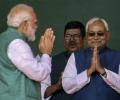
'He has attacked our enemies in their own backyard.'

The chances of the posts opening remain slim, with security agencies recently identifying 10 suspects who smuggled in weapons, narcotics and fake currency.

A combination of externalities such as global trade wars and slowing growth, continuing glitches in accessing offsets under the GST regime, which has created a liquidity crunch for smaller exporters, and the growing competitiveness of smaller countries are causing the slowdown.

'The trading community will be a priority for Modi when he forms the next government.'

At the heart of the issue is the way e-commerce is defined in the current draft policy.

Keen to salvage its engagement with Washington DC that has gone southbound ever since the Trump administration came in, India has called for a final set of meetings with US trade officials, soon, reports Subhayan Chakraborty.

Among other things, taking note of complaints against several Chinese e-commerce players such as Shein, Ali Express etc for sending shipments as 'gifts' to customers in India and avoiding duties, the government has now mandated that all e-commerce sites and apps must have a registered business entity. This will be the importer on record and subject to customs rules, report Subhayan Chakraborty, Neha Alawadhi and Karan Choudhury.

The government believes that WTO's push for initiating negotiations on substantive obligations related to e-commerce will oblige India to permanently accept the current moratorium on imposing customs duties on products traded electronically.
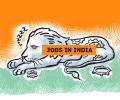
The problem of unemployment is spread across the economy.

While India does not figure in the top 10 export destinations for Pakistani goods, it serves as a crucial channel for select goods such as leather hides and cheaper variants of fertilisers that are generally procured by importers at short notice.

According to NSSO, more than half of India's working-age population is out of labour force. In 2017-18, the youth unemployment rate was in the range 13.6-27.2 per cent.
 © 2025 Rediff.com - Investor Information - Advertise with us - Disclaimer - Privacy Policy - Sitemap - Feedback - About us - Terms of use - Grievances